Showing posts with label Postcard. Show all posts

我的明信片:日本地圖


除了風景片外,我也喜歡收集地圖片,畢竟從小到大就喜歡看地圖。

這張明信片上有很多日本的名勝、風俗和名產,從北到南有北海道的國家公園、青森的竿燈祭、秋台的木娃娃和松島、白川鄉、富士山、鎌倉大佛、京舞妓、奈良鹿、伊勢神宮、大阪城、神戶港、出雲大社、錦帶橋等等(不數了)。

偶然會有討論區的旅遊版看到有人問「五日四夜去日本,想去大阪、名古屋同東京,得唔得牙?」其實日本沒有想像中的小,畢竟日本的面積是香港的幾百倍。不過坐新幹線的話,其實從東京到大阪也不用很久。

另外常常聽到的「關東」「關西」、交通劵的「近畿」、「東海」、「山陽」、「北陸」等等,都是沿古代令制時的名稱(令制大概是指奈良、平安時代開始,約莫是中國的隋唐)。當時,日本分為「五畿七道」:

「五畿」:首都附近的五個國,即今天京都和大阪一帶,又可以叫做「近畿」。
(畿就是王土的意思啦)

「七道」:山陽、山陰、北陸、東山(中山)、東海、南海、西海
-山陽:神戶、姬路、岡山、廣島至山口
-山陰:福知山、鳥取、松江、益田、萩
-北陸:米原、敦賀、金澤、富山、高岡、新潟
-東山:近江(琵琶湖)、岐阜、長野、富士山、日光、福島
-東海:名古屋、靜岡、小田原、橫濱、東京
-南海:四國、和歌山
-西海:九州

明治維新後,新增「北海道」。

道底下就是令制國,有些國名直到今日還是常常聽到,例如「飛驒」、「加賀」、「讚岐」。令制國又有簡稱,例如「播磨」會簡稱「播州」、「信濃」~「信州」、「長門」~「長州」,至今車站名、地名也會採用。

明治維新後,廢藩置縣。當時一國內尚有數個縣,後來慢慢合併、就乾脆用縣代替國,最後就形成今天47個縣,例如「越中國~富山縣」、「信濃國~長野縣」。但並不是47個縣都稱「縣」,正確來說是「一都一道二府四十三縣」。大家可以研究一下「都」、「道」和「二府」分別是哪些地方 :P

-完-

我的明信片:日本京都


寄件人:自己
寄出日期:沒有

台灣有著名的度小月擔仔麵,名字由一個漁民所取。夏季颱風常至,無法捕魚,漁民只好賣麪為生。沒想到,麪條太好吃,大受歡迎,漁民也能獲利,捱過淡季(小月),所以就將擔仔麵命名「度小月」。

嵐山的渡月橋,名字則是由鎌倉時代的龜山天皇,到嵐山遊玩時所取。一天晚上,月明星稀,天皇夜渡此橋,看到月亮好像在過橋的樣子,於是取名「渡月橋」。

嵐山地區在京都府,不過在古代而言,算是城外較偏遠的地區。《平家物語》中就記載過,好些貴族婦人會選擇在嵐山終老(出家或打入冷宮那種),例如平清盛本身頗寵愛的祇王,失寵後就和母親妹妹到嵐山出家,現在嵐山的祇王寺就供奉著他們幾位。

上嵐山總是充滿著各式各樣的遺憾,例如買了漂亮的明信片,但沒有錢寄出,又例如天氣不好,時間不夠,又例如拍不到小火車的車頭,又例如在嵐山帶了可愛的熊熊回家,不過熊熊離開了。


渡月橋,攝於 2015年春


謝謝陪伴了我四年的嵐山熊熊,很遺憾以後不能再帶你回鄉了

我的明信片: 台灣


台灣東北部的基隆港,由 Hongda Chen 於2015年7月14寄出。
收到這張明信片時,十分驚喜,一來我喜歡收集港口的明信片,二來是自己曾經到過的地方。

當年到台灣實習,不用上班時就到別的地區逛逛。有天從淡水坐巴士,經白沙灣,去石門洞、野柳,最後再去基隆。到達基隆時已經下午二、三時,一下車就飛奔去廟口夜市吃到飽,然後本來還想去和平島逛逛,不過實在太熱,於是就呆在港口,望著明信片中的景色等日落,再坐火車回台北了。

---------------------------------------------------------------------------------------------------------------------

(以下資料來自維基百科)

基隆是台灣最北的都市,也是台灣第二大港口,其古稱「雞籠」,此名稱最早見於1617年明代張燮所著的《東西洋考》一書。

17世紀時,西班牙人和荷蘭人曾先後佔領過基隆。到了18世紀,來自福建漳州的移民開始入墾雞籠港區,並於南岸興建崁仔頂街,此乃今日基隆市街創建之始。在19世紀西方列強東來後,美國海軍調查到雞籠擁有豐富的煤礦層及港灣優良,回國後建議政府將其佔領,在鴉片戰爭時也有英國軍艦前來叩關。在英法聯軍之役之後的1863年,雞籠終於隨著台灣島開港而開放為貿易港,成為淡水的副港。

到了日治時期,日本人為了將基隆建設為台灣與日本本土的轉運點,從1899年開始到1935年,展開了共進行四期的基隆港築港工程(第五期因二戰爆發而未完成),在和平島及八尺門一帶,也設置了漁港區、水產試驗場及造船廠。

基隆也是日本海軍的重要基地,當時被總督府劃為要塞地帶管制,並設立「基隆要塞司令部」,使得基隆港成為一座軍、商、漁三用途的港口,也使基隆正式取代淡水,成為台灣北部的主要門戶。

1941年,太平洋戰爭爆發,基隆由於其主要物資吞吐港及海軍基地的地位,在戰爭末期首當其衝,成為美軍轟炸的首要目標,港區幾成廢墟。1947年發生二二八事件,基隆成為台灣受創最嚴重的地方之一,當時國民政府增援軍隊由基隆港登陸,港區淪為慘烈屠殺之地,基隆港東北方的和平島上遍地死屍,島上的三十餘名日本沖繩琉球人聚落居民也同時罹難。

基隆的礦工業經過復建後再度興盛,週邊的採煤業更在1968年達到高峰。而基隆港從1961年因應台灣經濟的快速成長,從內港到外港進行了多次擴建,到1984年已名列世界第七大貨櫃港。然而,1990年代後因為腹地過小等因素,敵不過鄰近地區港口的大型化競爭而逐漸衰退,連帶使得基隆的都市建設發展開始遲緩,並嚴重影響了基隆的城市競爭力。而2008年台北港的啟用,更將使基隆港未來營運發展的情勢更加嚴峻。


My Postcard to Indonesia (2015 Jul)

I sent a postcard showing the flower market in Hong Kong to Shinta, an Indonesia girl who collects postcards of markets, in July 2015.


This is a vintage reprint postcard; to be actual, a photograph-made postcard.
Wyndham Street, looking from Queen's Road. Probably around the early 20th century.

The vicinity of Wyndham Street was the "high-class" brothel area, where one could find only European but no Chinese girls. Visitors used to bring along with a bunch of flower; therefore, there was a flower market there.

Not far from Wyndham Street is Lyndhurst Terrace; its Chinese name, 擺花街 or "flower arranging street", also tells the presence of a flower market in the past.

Wyndham Street, c.1930-1940, still a flower market.

Today's Wyndham Street. 

Visit Shinta's website for her enormous collection of market postcards.

我的明信片:台灣

很喜歡買明信片當手信,便宜易攜。
有時直接寄回家,有時帶著上飛機。


這是2012 年12月在高雄寄給自己的,那是我第二次去高雄。
在高雄只留了兩天,之後就去台東玩了:)

還記得第一次去高雄,凌晨12:00從台北出發,4時半就到高雄。
拖著超大的行李箱去車站前的麥當勞呆坐,等到有捷運就去 check-in了。民宿的劉姐超好人,聽到我老早過到來,給我早點 check-in,然後就睡了下午才去玩了:D

第二去再去高雄,反而沒在高雄逗留很久,主要是經高雄去台東玩。
至於為什麼選這張明信片……話說第一次去高雄,因為旅費已經用得七七八八,所以平日都走路,不坐車。那天想說從車站走路去巨蛋,車站職員說要從北出口那邊出發,不過我在南出口的話,要補票進站。不想補票的話就繞路沿愛河走吧。

結果走了兩小時,超笨,不過散步在愛河還是很有趣很深刻的經歷啦。


這張去台南買的,2010年8月。很喜歡台南,超好吃的度小月擔仔麵、花園夜市的各種美食…
還有一邊看《鹿鼎記》,一邊在台南參觀也是很有趣的 :) 


----------------------------------------------------------------------------------------------

朋友去旅行也會寄明信片給我,這是維維2012年去台灣寄的:

維維還去總統府跟總統握手了! (死亡之握……)

這是嘉璐去幾次去台灣寄/送給我的:
台南隨處可見的風獅爺


看完《星空》後很想去坐阿里山森林小火車


My Postcard to Romania - 2014 OCT

I sent a postcard showing the fat cat Brother Cream (忌廉哥) to Victor from Romania in October 2014. Victor was collecting cat postcard at that time.


Brother Cream lives in a grocery in east Tsim Sha Tsui, next to the Jockey Club betting branch. While I was still working in Tsim Sha Tsui, I visited Brother Cream with my colleague somestimes after lunch. He is much fatter than what you could see on the postcard.

One more funny thing about Brother Cream - a Finnish girl approached me after I started postcrossing for a while. She asked if I could send her postcards and products of Brother Cream. I didn't know the cat's English name and I did not expect that he is so internationally well-known, so the first thing came to my mind is that "Brother Cream" is a local band. (._.)

Visit Victor's Blog for more information.

My Postcard to Bahrain - 2014 DEC

I sent a postcard to Edwin of Inner Shrine of Ise Shrine, Japan in December 2014.
Edwin studied architecture and he is interested in collecting postcards showing typical buildings.


Shrines in Japan are divided into different classes according to the holiness of the patron. Ise Shrine, which worships Amaterasu - the Goddess of Sun and also the highest deity - is of the highest class.

The Shrine is divided into two parts: the inner and the outer. Apart from Amaterasu, there are a few more deities being worshiped in it.

While I was visiting Ise Shrine, I spotted people walking around the shrine with a bag of coins. To pray, one must throw a coin to the "God's area," so that was why people preparing coins for praying.

Visit Edwin's blog for more explanation of Japanese architecture.

My Postcard to Germany - 2015 JAN

I sent a postcard to Anke from Germany.
Anke collects UNESCO postcards and I sent her one showing Historical Centre of Macao, China.


Ruins of St. Paul Cathedral. The Cathedral was burned and only the facade remains today. It is called 大三巴 in Cantonese as 三巴 (Sam Pa) is the transliteration of "San Paolo," the Portuguese variation of "St. Paul". Portuguese is an official language of Macau as the city was a former colony of Portugal.

In return, I got a postcard featuring Carolingian Westwork and Civitas Corvey, a UNESCO site of Germany and also the only standing structure dated back to the Carolingian Era.


Visit Anke's blog for more information
Official introduction of Historical Centre of Macao
Official introduction of Carolingian Westwork and Civitas Corvey

My Postcards to Italy - 2015 FEB

I sent two postcards to Jessica from Italy. Jessica loves Japanese culture and buildings.

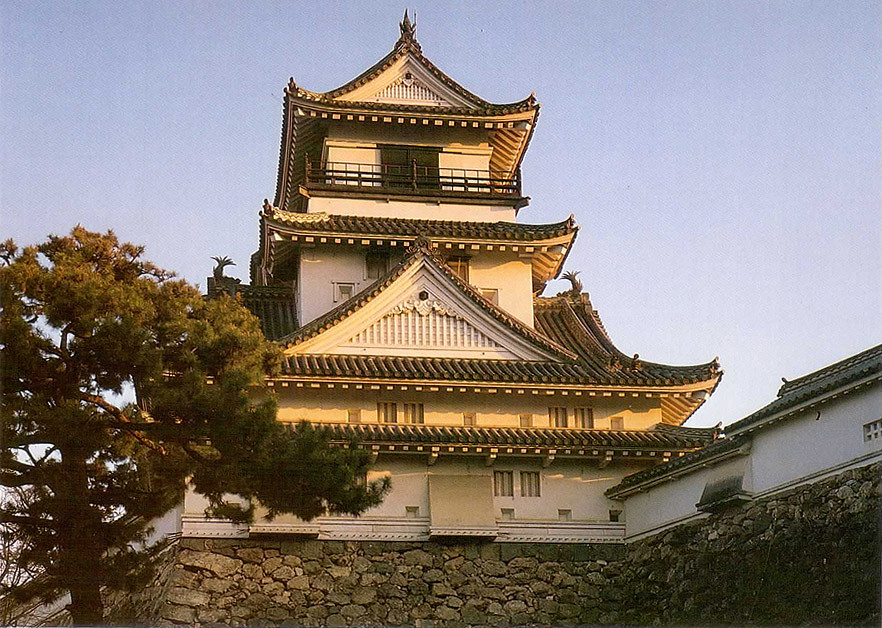
Kochi Castle in Kochi Prefecture (高知県). On the postcard shows one of the 12 remaining old tenshu (天守, main building) in Japan.


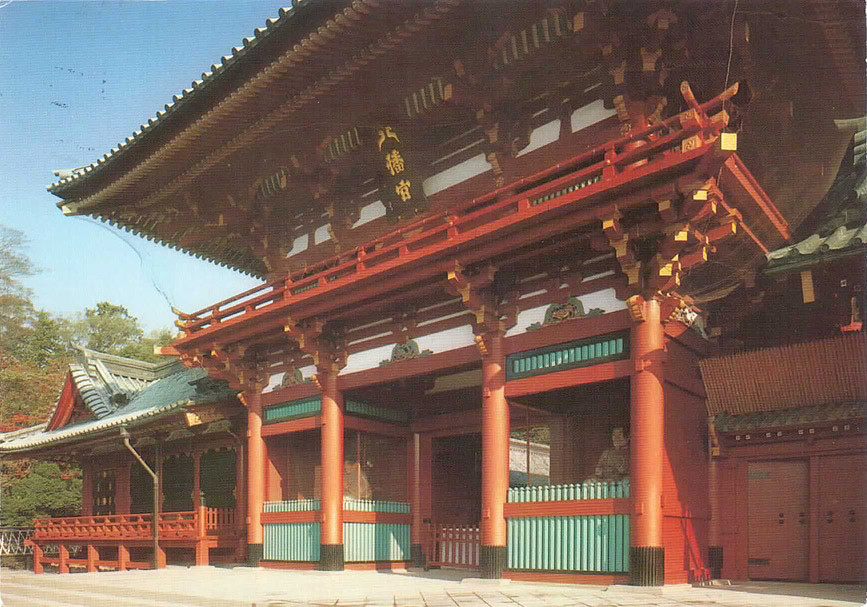
Hachimangu in Kamakura, east Japan. Hachiman Daibosatsu (八幡大菩薩) was worshiped by the military men in ancient Japan. Shogun, the leader of all military men, also worshiped this deity; therefore, Hachimangu was built in Kamakura, the political centre of the Kamakura Shogunate.

In return I got two lovely postcards of Sicily.


My Postcard to Finland - 2014 DEC

I sent a gotochi postcard from Japan to Shireya from Finland.
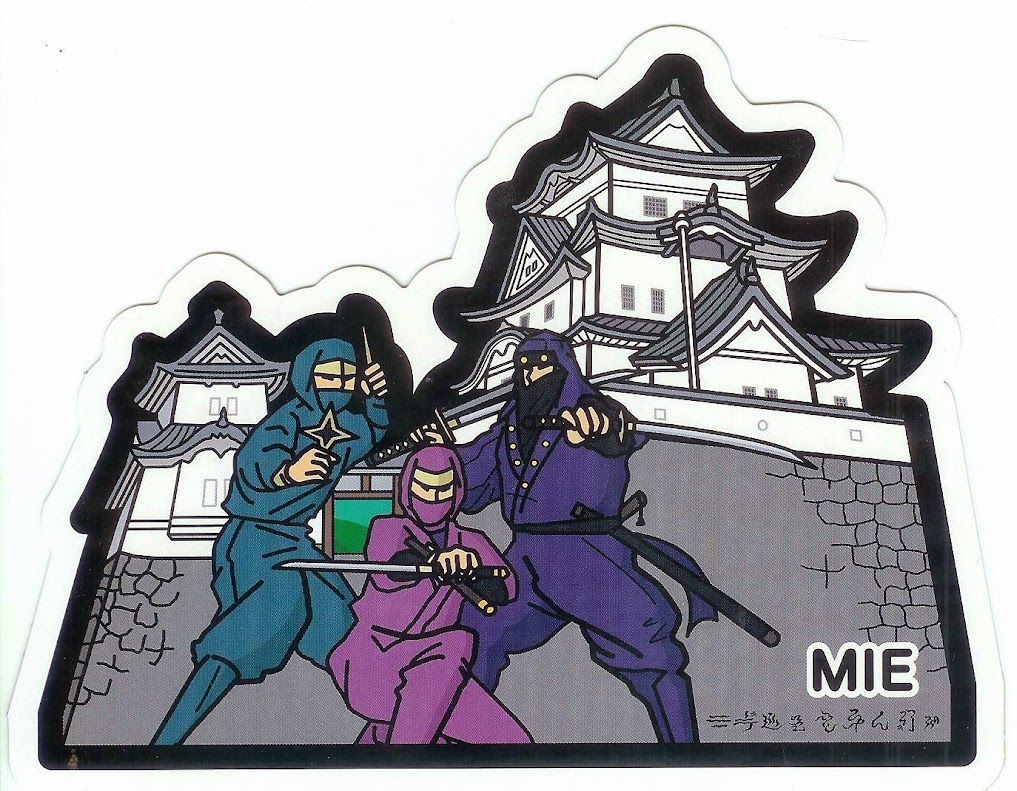
Shireya collects gotochi postcard, and I sent her the Mie 2014 issue, featuring the ninja and Iga Ueno Castle.


Iga (伊賀) is a famous ninja village in Mie Prefecture (三重県). Ninja is a covert agent or mercenary well-trained in assassination, collection of information, poisoning etc. They wrote in their own language to avoid leakage of information. You can see on the postcard (below the word "MIE").

In normal days, ninja did not dress as shown on the postcard. On the other hand, they dressed as if a monk or a farmer, presenting themselves as a normal person to avoid suspecion.

The ninja on the left is holding a shuriken (手裏剣, or "sword on hand"). It was usually poisoned.

Behind the ninja is Iga Ueno Castle (伊賀上野城). It was built by Toudou Takatora (藤堂高虎), a daimyo in the 15th to 16th century. He was bestowed the state of Iga after the Battle of Sekigahara. As a skilled castle-builder, Toudou reconstructed the castle. A 29m wall was added for better defence. 

In return, I got a nice card of Crete from Shireya. She bought the card when she was travelling there.


My Postcard to Belgium - 2014 OCT

I sent a postcard to Lotty from Belgium. Lotty collects UNESCO postcards.
This postcard shows the clock tower in Hiraizumi, a UNESCO site in northeast Japan.


Hiraizumi is built as a "pure land" in the Buddhist classics by the Fujiwara in Oshu around the 11th to 12th century. Fujiwara had been the most influential clan in the Japanese court since 645 and its subdivision made Hiraizumi a political centre to monitor the "barbarian" in northeast.

There were a lot of Buddhist architectures in Hiraizumi but only a few remain to be existed today. This clock tower is located inside Chusonji (中尊寺).

Visit my blog for my visit to Hiraizumi
Visit the official UNESCO site of Hiraizumi

My Postcards to UK - 2014 OCT & DEC

I sent two postcards to Paula from UK in October and December 2014, respectively.
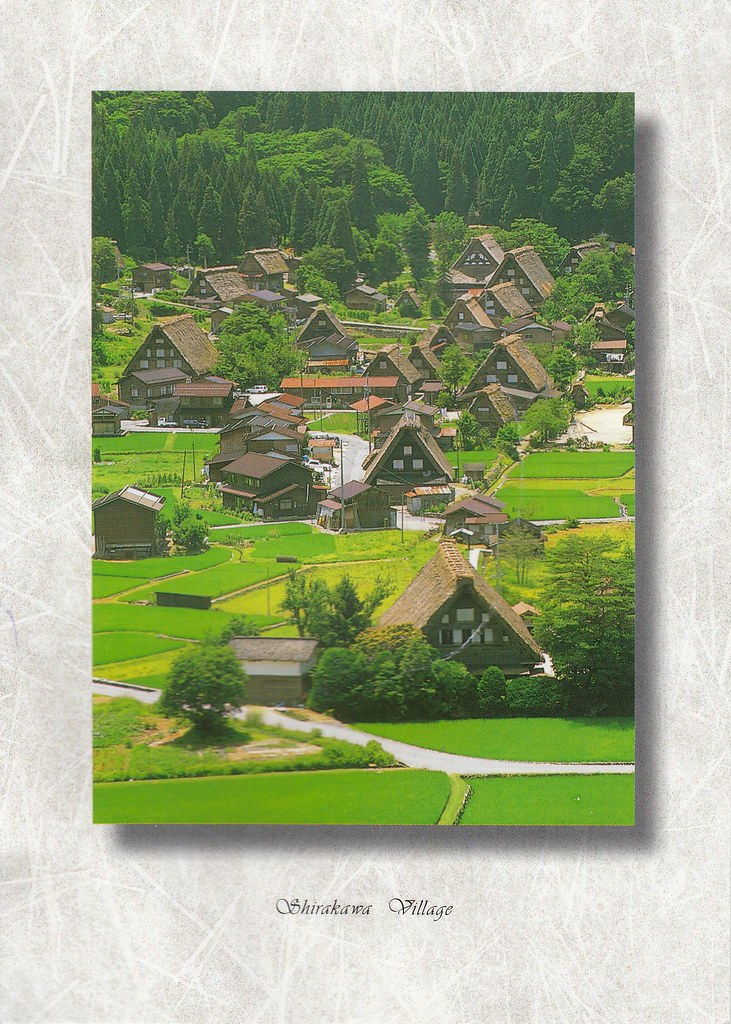
Paula collects postcards of UNESCO sites and I sent her two, showing Iwami Ginzan and Shirakawa-go.

Shogenji (勝源寺) in Iwami. It was visited by the Magister of Iwami Ginzan every year. Some Magisters were buried in this temple as well.

These houses in Shirakawa Village are called Gassho-tsukuri (合掌造り). Gassho means "hands together". The steep roof avoids snow piling on it.


My Postcard to Malaysia - 2014 MAR

I sent a postcard to Aishah from Malaysia in the activity "Austria Meets World Round Robin (RR)" in March 2014.
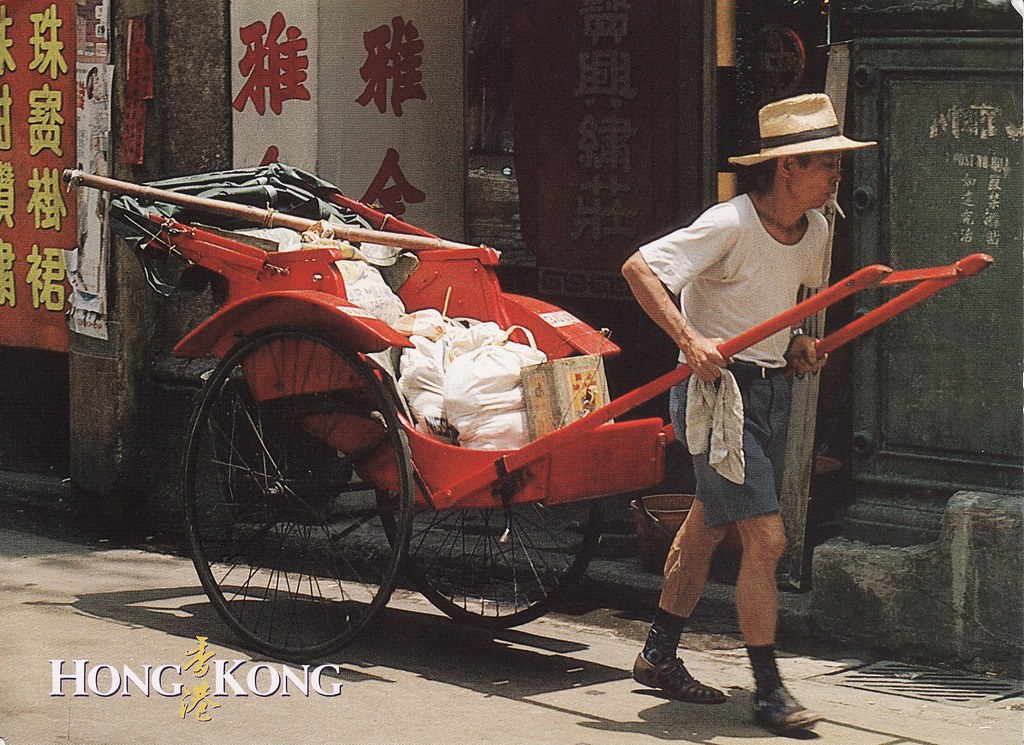
The theme of this activity is transport so I sent her a card showing a rickshaw, one of the oldest transport in Hong Kong.


The term rickshaw origins from the Japanese word jinrikkusha, (人力車, meaning man-powered vehicle). Rickshaw was introduced from Japan to Hong Kong in 1874 by a German merchant, who ran a rickshaw company in Central. It has been a popular and unique transport that it has appeared on postcards from Hong Kong since its introduction. Like this one:


This is a photo taken in the studio as evidenced from the floor. It was a usual practice for studio owner to put something seen outdoor in the studio for photo-taking. The photo was then made into postcard. 


This postcard (also reproduced from a photo) shows the busiest section of Queen's Road - outside the Central Market (on the left). There are many rickshaws on the road.

In return, I got this postcard from Aishah, showing a fishing village.


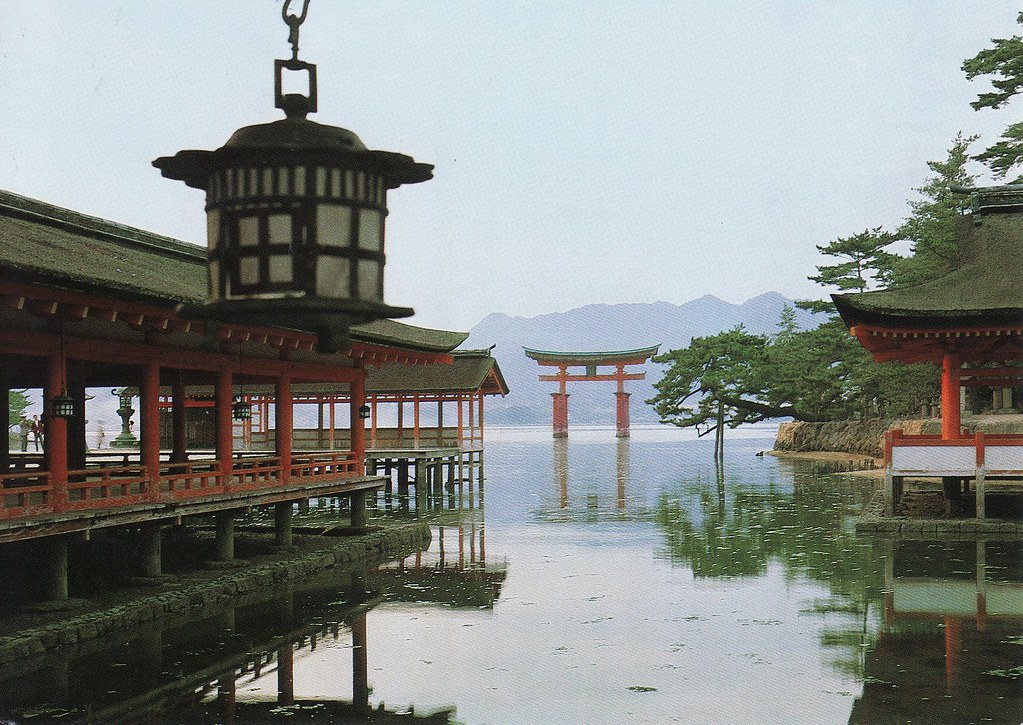
I met Aishah another activity "I'm going to Vacation RR". I sent her a card of Itsukushima Shrine, Hiroshima. It is the familial shrine of the Taira clan and also a UNESCO site of Japan.


In return, I received this postcard from her, a beautiful painting showing village life in Malaysia.


In another activity "Tag within Asia" I got a postcard from Aishah again. It shows the Clan House of Khoo Kongsi in Penang (or George Town). 


Kongsi (公司) is similar to partnership or a company. It described a group of people, usually from the same place of origin, running business together. Some secret societies also use the kongsi as their organisations' name to avoid trouble.

This building is the Clan House of the Khoo. The Khoo migrated from China to Malaysia and built this house in around the 15th century. Clan house is a place for familial gathering. In the past, clansmen settled dispute in the clan house rather than in local court. When there is a newborn male baby, he would be blessed in the clan house too; and every year, male member of the clan could get a share of pork in the clan house - a symbol of their status within the clan.

The Clan House of Khoo Kongsi is now a part of the Malaysia UNESCO site, Melaka and George Town, Historic Cities of the Straits of Malacca. Visit the official website for more information.


My Postcard to Austria - 2014 MAR

I sent a postcard to Sarah from Austria in the activity "Austria Meets World Round Robin (RR)" in March 2014.

The theme of this activity is transport so I sent her a card showing junkship, once a popular transport but now a tourist spot.


In return, I received a postcard showing a train, ET 10.104 of Montafonerbahn, or Montafon Railway. It runs in the very west part of Austria.


Osterreich, the official name of Austria. This German word means east empire.
You may remember that from your history lesson that German is a majority race in Austria; and thus, German is the official language of Austria today.

---------------------------------------------------------------------------------------------------------

      More Information

Austria and Australia have similar spelling but the meaning are different.

Austria
Origin: ostar (High German, means "eastern")
Since the 3rd century there were large groups of German settling in Europe. Some settled in the west (today's France), some in the east (today's Germany and Austria), and some in the south (today's north Italy). Austria refers to those German settling in the east Europe.

Australia
Origin: Australis (Latin, means "southern")
The term Terra Australis Inconito means the unknown land in the south. Since the 2nd century scholars have proposed that this big and legendary piece of land is actually the Atlantis mentioned in Plato's work. In 1814, an English explorer published a sea voyage journal, A Voyage to Terra Australis, mentioning his circumnavigation of Australia. 


My Postcard to Malaysia - 2015 APR

This is the latest postcard to Matthew from Malaysia.
Both of us are collecting postcard of this series, "Greeting From." This series is designed by Ewa from Poland but we are particularly looking for postcards sent from the country named on the card.


With the special cancellation of Cyberport Post Office. The picture is the office building there, neither cyber nor port. (Hmmm... Holy Roman Empire lol? Not holy, not Roman, not an empire).

In return I got a "Greeting From" Malaysia from Matthew. 


My Postcards to Malaysia - 2014 & 2015

This is my first postcard to Matthew from Malaysia.
Since then, I had been friend with Matthew and we exchanged several postcards later.


Matthew has been collecting postcards from this series. I sent him three during the Chinese New Year with three different Year of Goat stamps and special cancellation.


Animals on the cancellation: dragon, snake, horse, and sheep


I brought the last card from Japan. The sheep is sitting in the middle, representing that this year is of the Sheep.


This card is sent on another day to thank Matthew for sending a card from Brunei.


copyright © . all rights reserved. designed by Color and Code

grid layout coding by helpblogger.com